Whoa!
Portfolio tracking in DeFi feels like herding cats sometimes.
You get positions across chains, pools and yield farms.
Initially I thought wallet balances would be enough, but then I realized that without contextual risk scoring, transaction simulation, and protocol-level nuance you miss the forest for the trees.
My instinct said: track exposures per token and per protocol.
Seriously?
Most wallets show nominal balances and recent transactions.
That matters, but it’s a partial truth that hides fragility.
On one hand you want to minimize UI clutter, though actually deeper insights like simulated slippage, liquidation risk, and bridging-induced exposure are the difference between a safe trade and a disaster.
Transaction simulation often changes decisions in ways people underestimate.
Hmm…
Here’s what really bugs me about many off-the-shelf trackers and wallets today.
They aggregate balances but lack practical, protocol-aware risk metrics and actionable flags.
On the analytical side I ran through a few scenarios where a protocol exploit looks harmless on paper, but simulated steps and chain-specific mempool behavior show a very different failure mode—so you need both lenses to be confident.
I’m biased, but a wallet that simulates a trade, models MEV and estimates liquidation windows is just better.
Okay, so check this out—
Wallets that merge portfolio tracking with protocol-grade analytics give an interpretable risk score.
Somethin’ like a heatmap across contracts clarifies hot spots quickly.
My first impression was that adding those features would bloat the UX, but then I tested a version where the heavy analytics live behind a toggle and the result felt surprisingly clean and focused, even for newcomers.
This dual-mode approach keeps things lean while offering depth when needed.
How to make that practical (and the one tool I keep coming back to)
Whoa!
Cross-chain bridges remain the trickiest exposure for retail and proto funds alike.
A token balance hides routing paths and temporary wrapped forms.
Initially I thought you could just note a token and be done, but then I remembered several incidents where bridging steps or token wrappers caused unseen re-entrancy or permissioned contract risk and by the time you saw the balance change the loss was irreversible.
So you need per-protocol breakdowns, provenance traces, and stepwise simulation to see how assets actually move.
Seriously?
Risk assessment should include more than simple price volatility and historical drawdowns.
Consider counterparty risk, on-chain liquidity, oracle-dependencies, and composability chains that cascade failures.
Actually, wait—let me rephrase that: you need probabilistic assessments that combine historical data with simulation ensembles and stress tests that mimic MEV and liquidity shocks.
I’m not 100% sure how to weight oracle risk versus TVL concentration, though a pragmatic heuristic is to flag any protocol that has centralized upgrade keys or very very low audited coverage.
Hmm…
The specific mechanics of a protocol determine how risky a position is beyond nominal exposure.
For example, concentrated liquidity pools can be fragile at the tails.
On one hand concentrated positions yield outsized fees, though actually if a price move forces rebalancing you may face large slippage and impermanent loss that simulation can reveal before you commit the funds.
A good wallet shows pool composition, tick ranges, and simulated exit scenarios.
Wow!
UX choices decide if advanced features help people or just baffle them.
Okay, I’m biased, but when simulation and risk metrics are surfaced as clear toggles, adoption goes up.
Many users want one-click safety checks and a simple red/yellow/green risk badge.
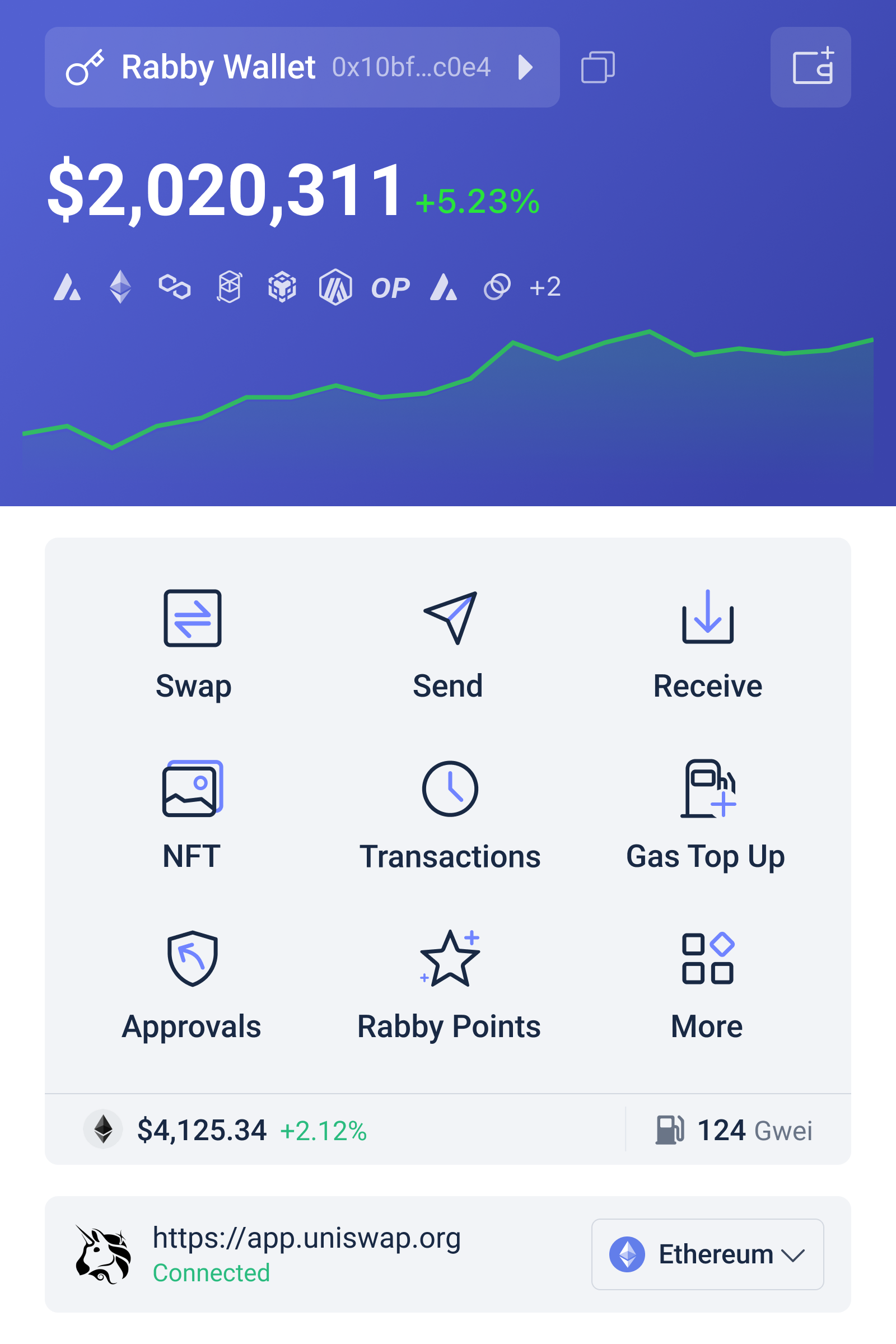
Check this out—I’ve been using a wallet that bundles these features and it actually saved me a bad bridge step; the tool was https://rabby-wallet.at/ in spirit and it nudged me to run a simulation before confirming, which stopped a costly mistake.
Leave a Reply